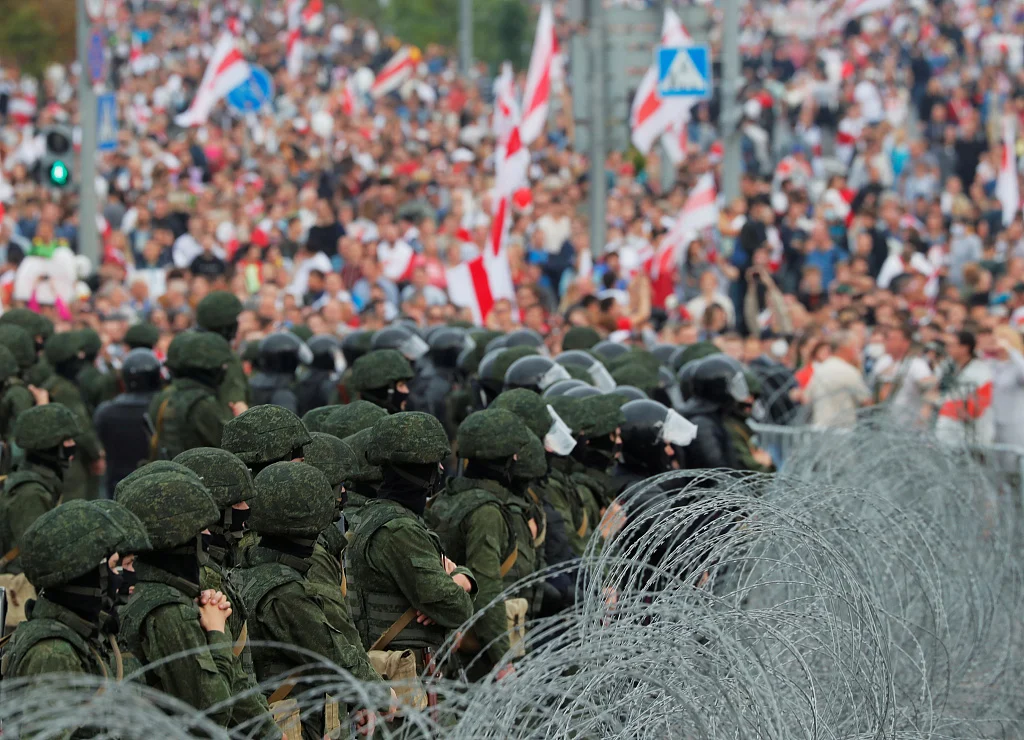
West Wood blvd – 13 Mei 2026 | Belarus finds itself at a crossroads as it balances renewed military preparedness, the return of its athletes to the international arena, and domestic policy adjustments that affect teachers and doctors. The convergence of these issues underscores the country’s complex role in the ongoing Ukraine‑Russia conflict and its internal socio‑economic dynamics.
In the sporting world, the Union Internationale de Pentathlon Moderne (UIPM) announced on May 7 that Belarusian competitors may once again compete under their national flag in modern pentathlon events. The decision follows a recent recommendation from the International Olympic Committee (IOC) that lifted the blanket ban imposed after Russia’s 2022 invasion of Ukraine, which had also implicated Belarus as a logistical hub for Russian forces. UIPM chief Rob Stull emphasized that athletes should not be penalised for their governments’ actions, echoing the IOC’s stance that “athletes should not be held responsible for the actions of their governments.”
The move has been met with mixed reactions. Ukrainian tennis star Elina Svitolina condemned the IOC’s relaxation, describing it as “sad and painful” while the war continues. She argued that allowing Belarusian athletes to parade their flag sends a confusing message about accountability. Conversely, Belarusian tennis champion Aryna Sabalenka welcomed the prospect, hoping to see the national flag and anthem restored at future competitions, including the 2028 Los Angeles Olympics.
Parallel to these developments, President Alexander Lukashenko signalled a shift in defence policy. During a meeting with Defence Minister Viktor Khrenin on May 12, Lukashenko announced a “selective mobilisation” of military units to prepare for potential combat operations. He framed the preparation as a precaution, noting that “God willing, it can be avoided,” but stressed that readiness must improve. The statement came after large‑scale inspections involving more than 6,000 reservists and a broader modernisation drive that prioritises electronic warfare, drones, and enhanced logistics.
These military preparations occur against a backdrop of heightened security concerns along the Belarus‑Ukraine border. The Ministry of Forestry reported an ongoing forest fire on the Ukrainian side of the border, close to the Gomel region. While the blaze has not yet crossed into Belarusian territory, authorities have organised night watches to prevent any spread, highlighting the fragile environmental dimension of the conflict.
Domestically, the government has introduced a social policy that allows certain categories of teachers and medical workers to retire five years earlier than the standard pension age. Eligibility hinges on long‑service criteria, including at least 30 years of special work experience for men and 25 years for women, with specific provisions for pre‑2009 service and childcare leave. This measure aims to address workforce fatigue and reward long‑standing public‑service contributions.
The interplay of these factors can be summarised as follows:
- Sports reintegration: IOC and UIPM decisions enable Belarusian athletes to compete under their flag, sparking debate over moral responsibility.
- Military readiness: Lukashenko’s selective mobilisation reflects ongoing concerns about regional security and the potential for escalated conflict.
- Border environment: A Ukrainian forest fire near the border underscores the environmental risks linked to the war.
- Social reforms: Early retirement options for teachers and doctors aim to alleviate domestic pressures and retain skilled personnel.
Analysts note that these concurrent developments illustrate how Belarus is navigating both external pressures from the war and internal demands for stability. While the reinstatement of athletes may improve national morale, critics argue it could dilute international condemnation of Belarus’s role in the conflict. Meanwhile, the selective mobilisation signals a readiness to act, even as diplomatic efforts to de‑escalate the situation continue.
![US sanctions Iran exchange [titlebase]: Treasury Strikes Shadow Banking and Fleet in Bold New Move](https://westwoodblvd.com/wp-content/uploads/2026/05/us-sanctions-iran-exchange-titlebase-treasury-strikes-shadow-banking-and-fleet-in-bold-new-move-300x169.webp)
Looking ahead, the international community will watch closely how Belarus balances its military commitments with the desire to re‑engage in global sporting events and address domestic welfare concerns. The outcomes will likely influence both regional security calculations and the broader narrative surrounding the war’s impact on neighboring states.
In conclusion, Belarus stands at a pivotal moment where decisions in sport, defence, and social policy intersect, shaping the nation’s trajectory amid a protracted regional conflict.