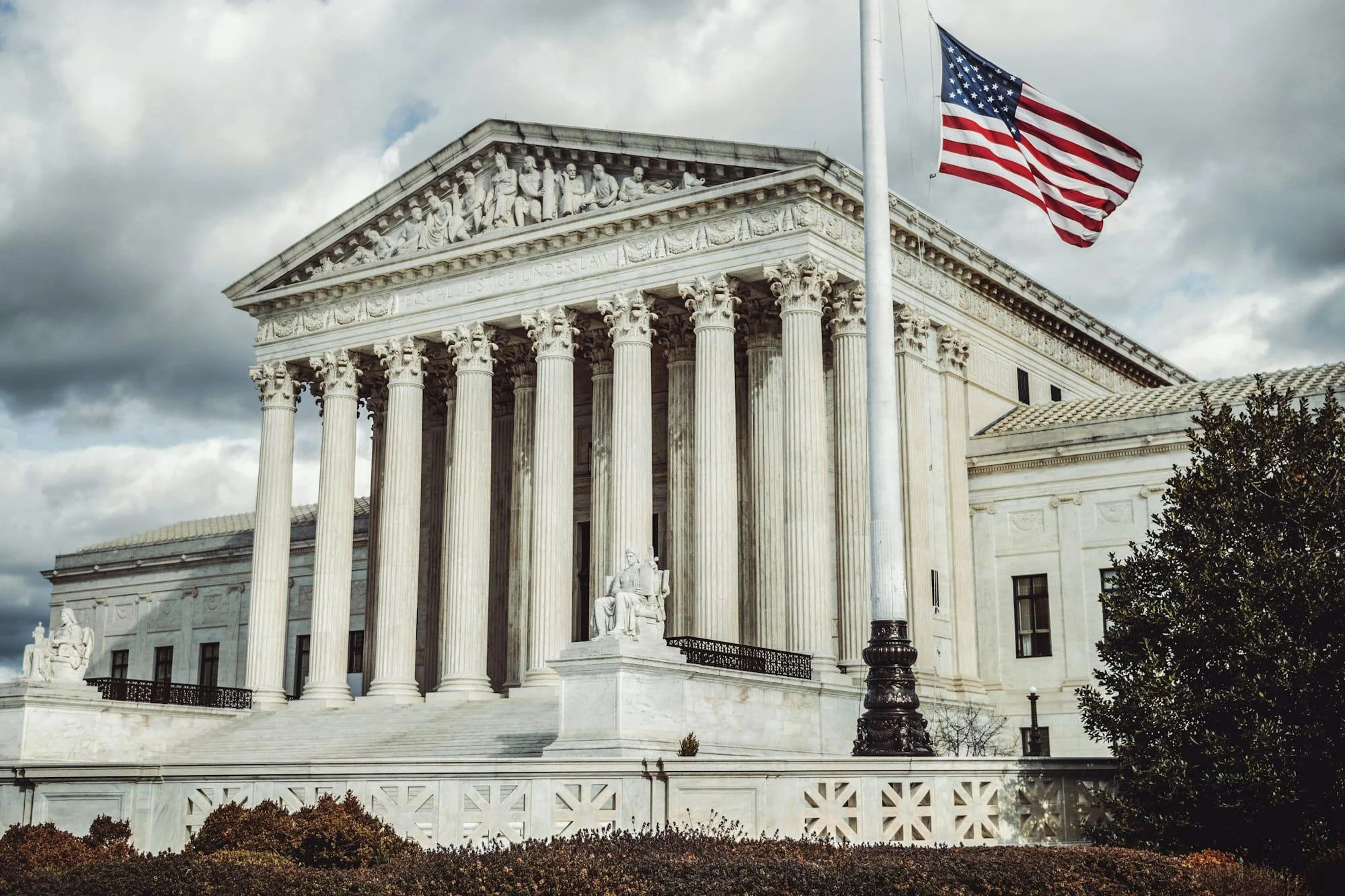
West Wood blvd – 22 May 2026 | In a decisive move that has reverberated through the nation’s legal and political arenas, SCOTUS rejects Alabama’s bid [titlebase] on a death‑row intellectual‑disability claim, leaving the lower‑court ruling that the inmate is cognitively impaired untouched. The one‑sentence, unsigned order, deeming the petition “improvidently granted,” effectively upheld the 11th Circuit’s finding that Joseph Smith cannot be executed, while also underscoring a deep ideological split within the Court.
The case, Hamm v. Smith, centered on whether courts should consider the cumulative effect of multiple IQ tests when evaluating a defendant’s claim under the 2002 Atkins precedent, which bars execution of the intellectually disabled. Smith, convicted of a 1997 robbery‑murder, presented five IQ scores ranging from 72 to 78, hovering around the critical 70‑point threshold. The 11th Circuit concluded that the district court’s holistic assessment—factoring expert testimony and adaptive‑behavior evidence—was sound, and therefore his death sentence was invalid.
Justice Samuel Alito’s 24‑page dissent, joined by Justice Clarence Thomas, argued that the Court should have taken up the case and clarified the standard, warning that the current approach could create a patchwork of rulings. In contrast, Justice Sonia Sotomayor’s concurrence, supported by Justice Ketanji Brown Jackson, emphasized procedural propriety, noting that the Court’s role is limited when a lower court’s factual findings are not clearly erroneous.
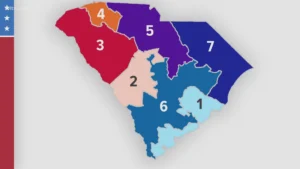
While the decision directly impacts Smith’s fate, its implications stretch far beyond Alabama. The timing coincides with a flurry of redistricting battles across the South, where Republican leaders are leveraging the Supreme Court’s recent weakening of Voting Rights Act protections to redraw congressional maps in their favor. In South Carolina, legislators debated a proposal that could unseat Democratic Representative Jim Clyburn, a long‑standing figure whose district brings substantial federal resources to the state. Similarly, in Alabama, the Court’s earlier action vacating lower‑court decisions on state legislative maps has opened the door for a new congressional map that could add a GOP seat in the upcoming midterms.
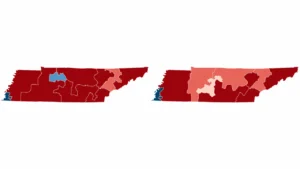
The broader national picture is shaped by the Court’s recent rulings affecting Louisiana, Mississippi, North Dakota, and Virginia. In each case, the high court’s willingness to intervene—or refrain—has tipped the balance of power in state legislatures, influencing who controls the House of Representatives. Republicans anticipate gaining up to 15 seats from newly drawn districts in states like Texas, Florida, and Tennessee, while Democrats hope to claw back ground in California and Utah.
Legal scholars note that the SCOTUS decision on Smith underscores a tension between procedural restraint and the need for clear guidance on constitutional protections for the disabled. The lack of a definitive standard for aggregating IQ scores leaves lower courts to navigate a murky analytical landscape, potentially resulting in inconsistent outcomes across jurisdictions.
For policymakers, the decision serves as a reminder that Supreme Court actions can have cascading effects on electoral politics. As parties gear up for the 2026 midterm elections, the interplay between criminal‑justice rulings and redistricting strategies will likely shape campaign narratives and voter mobilization efforts.
In conclusion, SCOTUS rejects Alabama’s bid [titlebase] not only secures a reprieve for a man on death row but also highlights the Court’s pivotal role in defining the limits of both criminal law and political power. The split opinions reveal a judiciary divided on how to balance constitutional safeguards with deference to lower courts, a divide that will echo in upcoming battles over voting maps and the composition of Congress.