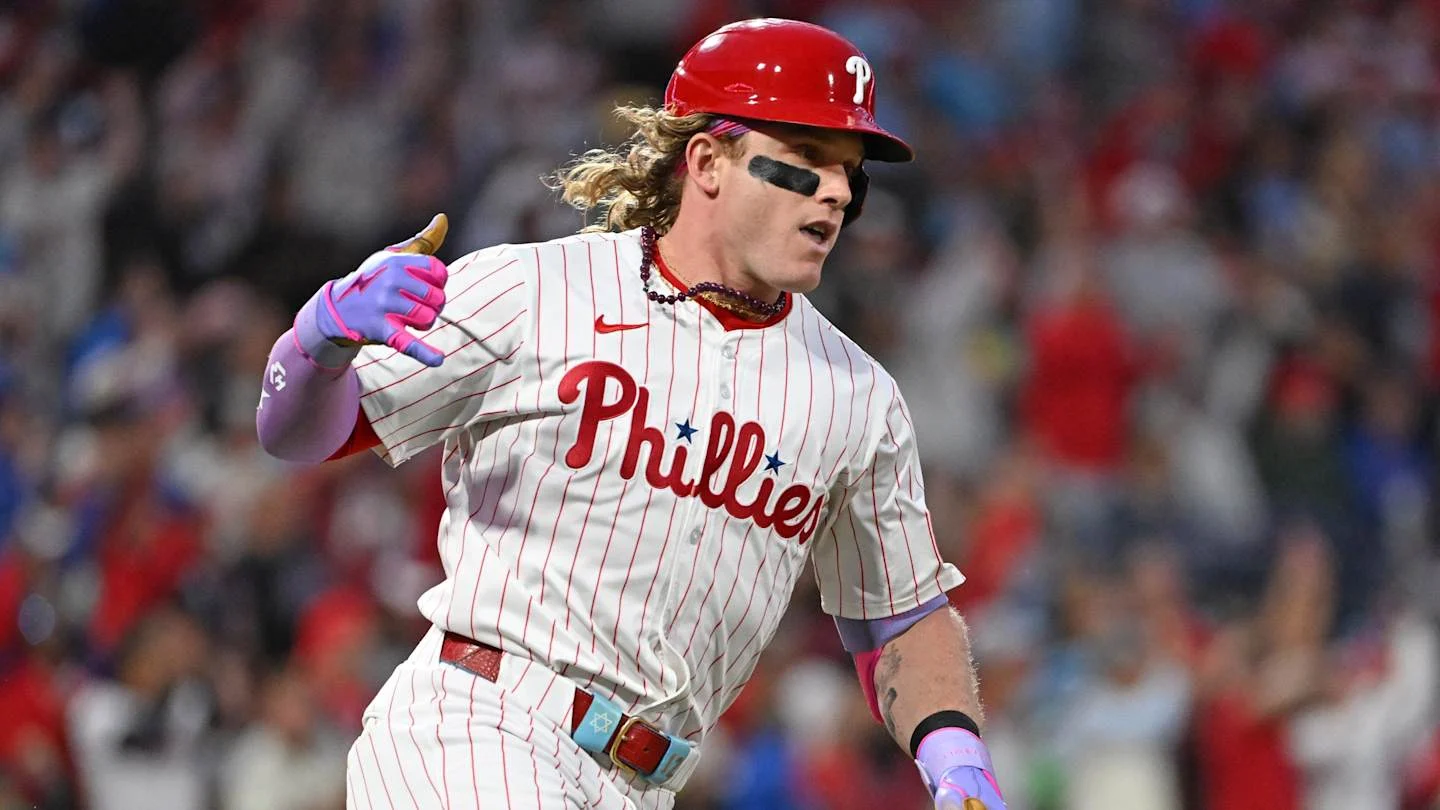
West Wood blvd – 15 May 2026 | San Francisco outfielder harrison bader found himself on the bench as the Giants faced the Los Angeles Dodgers in a pivotal series, highlighting the team’s strategic adjustments amid a surprising shift in post‑game celebrations.
After returning from a lingering injury, Bader made an immediate impact, recording a hit in each of his first two games back. However, the momentum was short‑lived; he was again omitted from the Thursday lineup, allowing rookie center fielder Drew Gilbert to start in his place. The decision came despite Bader’s recent 3‑for‑11 stretch that included a solo home run and a double, underscoring the delicate balance between health, performance and roster flexibility.
The lineup controversy intensified on Wednesday when the Dodgers rolled the mound to Shohei Ohtani. Giants manager Tony Vitello opted to start Heliot Ramos, Drew Gilbert and Jung Hoo Lee in the outfield, relegating Bader to a bench role for the opening innings. Reporters from NBC Sports Bay Area confirmed that Bader would watch Ohtani pitch from the dugout, a move that sparked debate among fans who have followed his steady resurgence.
Complicating the on‑field narrative, the Giants’ outfield celebrations became a media focal point. After a 6‑2 victory over the Dodgers, the trio of Gilbert, Bader and Lee engaged in a highly visible hip‑thrust celebration that quickly went viral. Social media backlash prompted an immediate team meeting, after which the players replaced the explicit display with a more restrained bow and hand‑on‑heart gesture. The shift was praised by Vitello, who described the new routine as “respectful” while emphasizing the need for unity and professionalism.
Vitello addressed the situation in a press conference, noting, “We’re having fun, but we also have to be mindful of the broader audience and the standards of the game.” He added that the meeting was “a side note” in the larger context of the team’s performance goals, reinforcing the message that on‑field results remain the priority.
Below is a snapshot of Bader’s recent offensive contributions:
| Game | At‑Bats | Hits | Home Runs | RBIs |
|---|---|---|---|---|
| May 10 vs. Rockies | 4 | 2 | 0 | 1 |
| May 12 vs. Cardinals | 3 | 1 | 1 | 2 |
| May 13 vs. Dodgers | 4 | 0 | 0 | 0 |
While the numbers illustrate Bader’s offensive potential, the Giants are navigating a broader strategic landscape. The team, which began the season with a 24‑loss start in 39 games, has rallied with three consecutive wins, climbing out of the National League West cellar. The combination of lineup tweaks and a more measured celebration approach appears to be part of a larger cultural reset aimed at sustaining momentum.
Looking ahead, Bader’s role could evolve depending on his health and the team’s needs. If he remains productive, the Giants may reintegrate him into the everyday lineup, especially as they aim to solidify a playoff push. For now, his presence on the bench serves as a reminder of the fine line between individual performance, team chemistry and public perception.

In conclusion, the Giants’ recent decisions—both on the field and in the dugout—reflect a franchise in transition. By balancing player health, tactical roster moves, and a calibrated approach to celebrations, San Francisco hopes to translate its recent winning streak into sustained success.