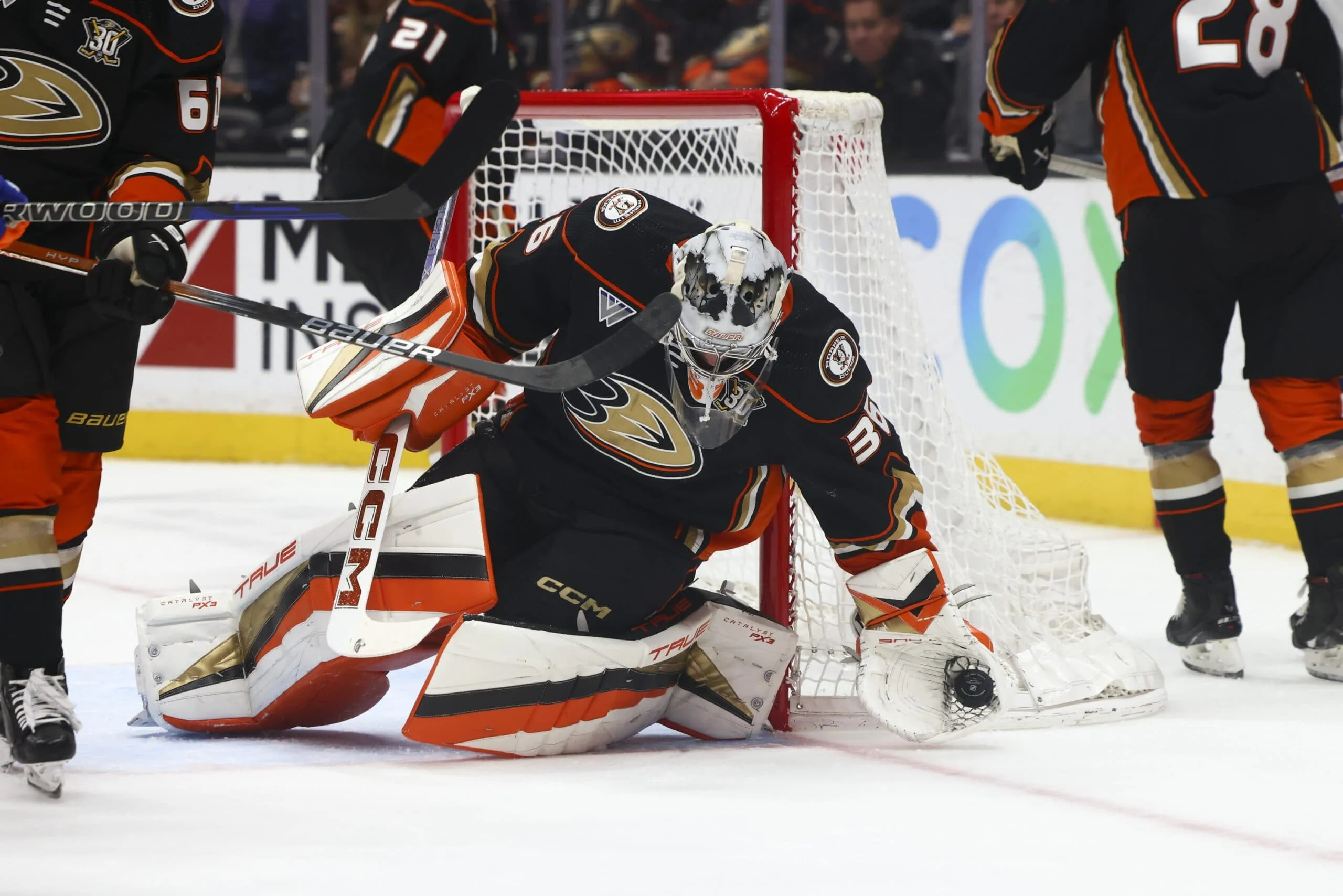
West Wood blvd – 15 May 2026 | The recent playoff series has thrust the Anaheim Ducks into a crucible of adversity, with injuries, lineup shuffles and looming free‑agent decisions testing the depth of the franchise. After a hard‑fought overtime loss in Game 5, the Ducks found themselves trailing the Vegas Golden Knights 3-2 in the best‑of‑seven series, forcing coach Joel Quenneville to reconfigure his roster for a must‑win Game 6. The absence of forward Ryan Poehling, sidelined by an illegal check from Golden Knights defenseman Brayden McNabb, prompted a cascade of adjustments that saw Jansen Harkins step into the third‑line center role while Mason McTavish shifted from wing to center. These changes underscore the volatility that can reshape a team’s fortunes in the heat of the Stanley Cup playoffs.
Beyond the immediate tactical concerns, the Ducks face a longer‑term strategic dilemma surrounding defenseman John Carlson. Acquired at the trade deadline, Carlson posted 14 points in 16 games and posted an impressive 58.23 Corsi percentage, suggesting he could be a valuable asset moving forward. With the Ducks boasting over $40 million in cap space, speculation abounds that a reunion could solidify the blue line and provide continuity for the Pacific Division hopefuls. Yet other franchises, including the Edmonton Oilers and Chicago Blackhawks, have also entered the conversation, each weighing Carlson’s fit against their own roster needs and salary‑cap constraints.
The Golden Knights, meanwhile, have capitalized on the Ducks’ misfortunes, taking a 5‑1 lead in Game 6 after a series of timely goals, including a ninth‑playoff‑goal performance by Pavel Dorofeyev. Vegas has also been forced to play without Brayden McNabb, who received a one‑game suspension for the hit that injured Poehling. Despite this setback, the Knights maintain a 3‑2 series edge and look poised to advance to the conference finals, where they could meet the Colorado Avalanche. The outcome of the series will likely influence the market dynamics for free agents, as teams assess their defensive depth and playoff aspirations.
In the broader context of the 2026 NHL postseason, the Ducks’ situation mirrors the league’s increasing emphasis on roster flexibility and injury management. The updated playoff bracket highlights several second‑round matchups, but the Ducks’ battle for survival remains a focal point for fans and analysts alike. The team’s ability to adapt—whether through promoting young talent like Cutter Gauthier or leveraging veteran experience—will be a key narrative as the postseason unfolds. Moreover, the franchise’s performance may impact its attractiveness to potential free‑agents, who will weigh the prospect of joining a team with ample cap space and a clear path to contention.
While the NHL drama dominates headlines, the name “ducks” also resonates beyond the ice. Across the nation, the Oregon Ducks baseball program is fighting for a higher seed in the Big Ten tournament, illustrating how the moniker unites athletes in pursuit of championship aspirations. Whether on the rink in Anaheim or the diamond in Eugene, the drive for success binds these programs together. As the Anaheim Ducks strive to overcome adversity, their resilience could set the tone for the remainder of the postseason and shape the free‑agent landscape heading into the off‑season.