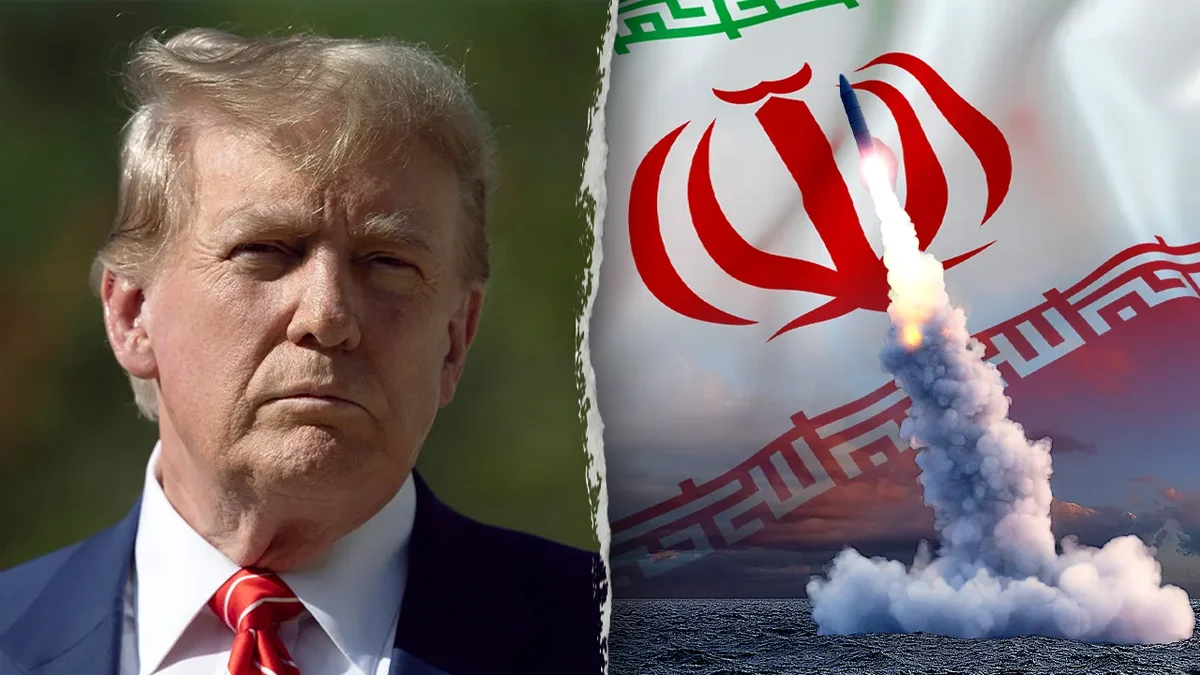
West Wood blvd – 19 May 2026 | In a dramatic reversal that has captured global attention, President Donald Trump Calls off planned Iran strike [titlebase] following urgent requests from Gulf allies. The White House announced on Monday evening that the anticipated military operation slated for Tuesday has been postponed, citing “serious negotiations” that could avert a large‑scale conflict.
Trump, speaking at the White House, explained that the decision came after direct appeals from the leaders of Qatar, Saudi Arabia and the United Arab Emirates. He said the Gulf states asked for a two‑ to three‑day pause, believing diplomatic channels were close to yielding a breakthrough. “There seems to be a very good chance they can work something out,” the president said, adding that a peaceful resolution would be preferable to “bombing the hell out of them.”
The President confirmed that a “very major attack” had been prepared, with the U.S. military on standby for a full, large‑scale assault on Iran at a moment’s notice. However, he emphasized that the current pause was a “very positive development” and that the United States remained ready to act should negotiations collapse. This nuanced stance underscores the delicate balance between showing resolve and preserving the possibility of diplomacy.
Behind the scenes, regional diplomacy has intensified. Pakistan has reportedly conveyed a revised 14‑point Iranian proposal to Washington, aiming to address the core issues of the conflict, including Iran’s nuclear program, sanctions relief, and security arrangements in the Strait of Hormuz. While U.S. officials have expressed skepticism about the adequacy of the proposal, the involvement of multiple regional actors suggests a concerted effort to keep the door open for a negotiated settlement.
Iran and its allied Shiite militias have continued to launch drone attacks targeting Gulf states, heightening the urgency of a diplomatic solution. The United Arab Emirates recently reported a drone strike near its sole nuclear power plant, labeling it an “unprovoked terrorist attack” without assigning blame. These incidents have amplified concerns about the potential for a broader escalation that could disrupt the flow of oil through the Strait of Hormuz, a chokepoint through which roughly a fifth of global petroleum passes daily.
![Tragedy Beneath the Waves: Italian Divers’ Bodies Found [titlebase] in Maldives Cave Disaster](https://westwoodblvd.com/wp-content/uploads/2026/05/tragedy-beneath-the-waves-italian-divers-bodies-found-titlebase-in-maldives-cave-disaster-300x225.webp)
Market reactions have already reflected the news. Oil prices, which had been climbing on fears of a prolonged standoff, fell sharply after Trump announced the hold on the strike. Meanwhile, cryptocurrency markets, particularly Bitcoin, displayed volatility, illustrating how intertwined geopolitical risk and financial assets have become.
Trump also highlighted ongoing high‑level talks with Israeli Prime Minister Benjamin Netanyahu and Chinese President Xi Jinping, underscoring the international dimensions of the crisis. He reiterated that the United States is prepared for a “full, large scale assault” if a satisfactory deal does not materialize, but expressed optimism that the Gulf allies’ intervention could lead to a lasting agreement that prevents Iran from acquiring nuclear weapons.
The decision to Calls off planned Iran strike [titlebase] has been framed by the administration as a respectful response to regional partners who bear the immediate brunt of any conflict. While the pause may be temporary, it represents a significant moment where diplomatic overtures have managed to influence U.S. military planning.
![Global Leaders Converge: To meet Xi Jinping in China [titlebase] Sparks New Diplomatic Dynamics](https://westwoodblvd.com/wp-content/uploads/2026/05/global-leaders-converge-to-meet-xi-jinping-in-china-titlebase-sparks-new-diplomatic-dynamics-300x169.webp)
Analysts caution that the situation remains fluid. The success of the negotiations will depend on Tehran’s willingness to compromise on its nuclear ambitions and the ability of the United States to offer credible incentives. Should talks falter, the prepared U.S. forces stand ready to resume the operation, a reality that keeps the region on edge.
In conclusion, the announcement to Calls off planned Iran strike [titlebase] reflects a rare instance where Gulf states have successfully interceded in U.S. strategic decisions, offering a narrow window for diplomacy to prevail. The world now watches closely as negotiators work against the clock, hoping that this pause will translate into a durable peace that stabilizes the Middle East and averts a catastrophic war.