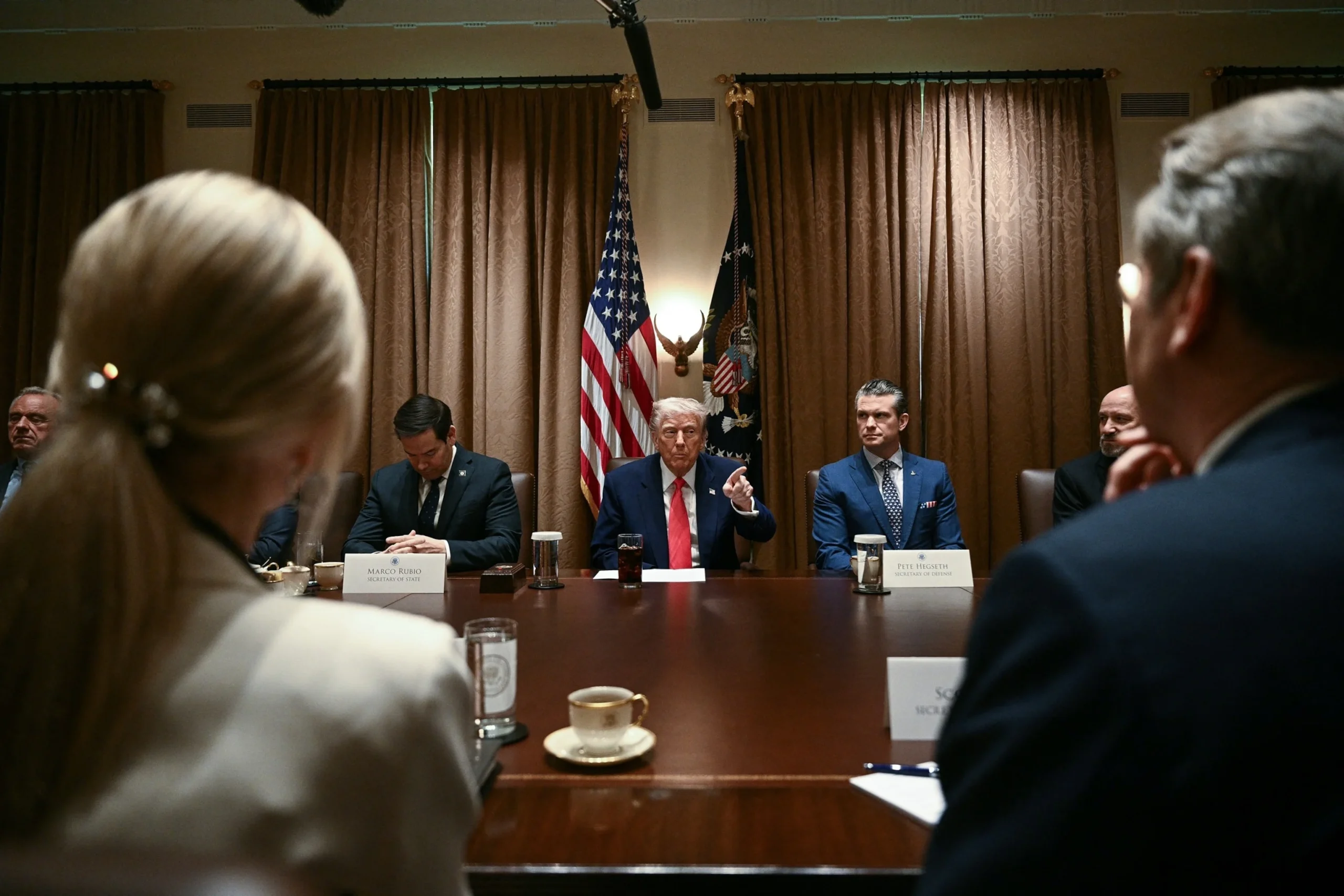
West Wood blvd – 19 May 2026 | In a dramatic Senate Appropriations hearing, the spotlight turned to the newly announced $1.8 billion “Anti‑Weaponization Fund” as the Acting AG to face questions [titlebase] about its origins, oversight, and potential ties to President Donald Trump. Todd Blanche, the acting attorney general, appeared visibly strained while Democratic senators pressed him on whether the money would benefit Trump allies or even individuals convicted of the Jan. 6 insurrection.
Blanche defended the fund as a safeguard against political weaponization, asserting that a five‑member commission would evaluate claims and distribute aid to victims of alleged law‑fare. Yet senators, led by Rhode Island’s Jack Reed, demanded clarity on who would appoint the commissioners and whether Trump would retain any influence. “Who will name the commissioners?” Reed asked, prompting Blanche to reply that the attorney general—essentially himself—would make the selections in consultation with Senate leadership.
The controversy stems from the fund’s genesis: after Trump withdrew a $10 billion lawsuit against the IRS, his administration pledged to allocate $1.776 billion from the Treasury within 60 days. Critics, including Republican Senate Majority Leader John Thune, warned that the appropriations committee might litigate the fund, fearing it could become a conduit for rewarding political allies.
Beyond the fund, the hearing highlighted broader Republican challenges. President Trump recently endorsed Texas Attorney General Ken Paxton for the U.S. Senate, intensifying a primary battle against incumbent Sen. John Cornyn. Simultaneously, Trump targeted Rep. Thomas Massie of Kentucky for diverging on tax legislation and a request for Justice Department records related to the late Jeffrey Epstein.
Adding to the political turbulence, Representative Thomas Kean Jr., a New Jersey Republican, has been absent from Congress for two months, yet his office continues to dispatch upbeat newsletters to constituents. The unexplained disappearance has spurred criticism from both parties, with journalists labeling the communications as “creepy and weird” and staffers offering vague health explanations.
During the hearing, Blanche also faced probing about his recent meeting with convicted sex‑offender Ghislaine Maxwell. Senators questioned whether the encounter compromised the integrity of the DOJ’s actions, especially as Maxwell remains a focal point in ongoing investigations linked to the Epstein case.
The fund’s intended purpose—to compensate those who claim they were victimized by politically motivated prosecutions—remains nebulous. Blanche outlined a process where claimants submit evidence to the commission, which then decides eligibility. However, without transparent criteria, concerns persist that the fund could be leveraged to shield Trump allies from legal repercussions.
Political analysts note that the timing of the fund’s announcement, coinciding with Trump’s aggressive campaign activities and the upcoming primary elections in multiple states, suggests a strategic move to consolidate support among the party base. The fund could also serve as a political shield, diverting attention from other scandals, such as the ongoing investigations into the Jan. 6 rioters and the Treasury Department’s leadership turmoil.
![Trump's Arch Plan Approved [titlebase] Ignites Fierce Debate Over Washington's Skyline](https://westwoodblvd.com/wp-content/uploads/2026/05/trumps-arch-plan-approved-titlebase-ignites-fierce-debate-over-washingtons-skyline-300x169.webp)
As the Senate prepares to vote on the DOJ’s budget request, the fate of the $1.8 billion allocation hangs in the balance. Should the appropriations committee reject or heavily modify the fund, the administration may face heightened scrutiny over its use of Treasury resources for politically charged objectives.
In conclusion, the Acting AG to face questions [titlebase] not only underscores the contentious nature of the anti‑weaponization fund but also reflects the broader struggles within the Republican Party as it navigates internal dissent, legal challenges, and the looming 2026 midterm elections. The outcome of this Senate hearing could set a precedent for how future administrations handle politically sensitive financial initiatives.