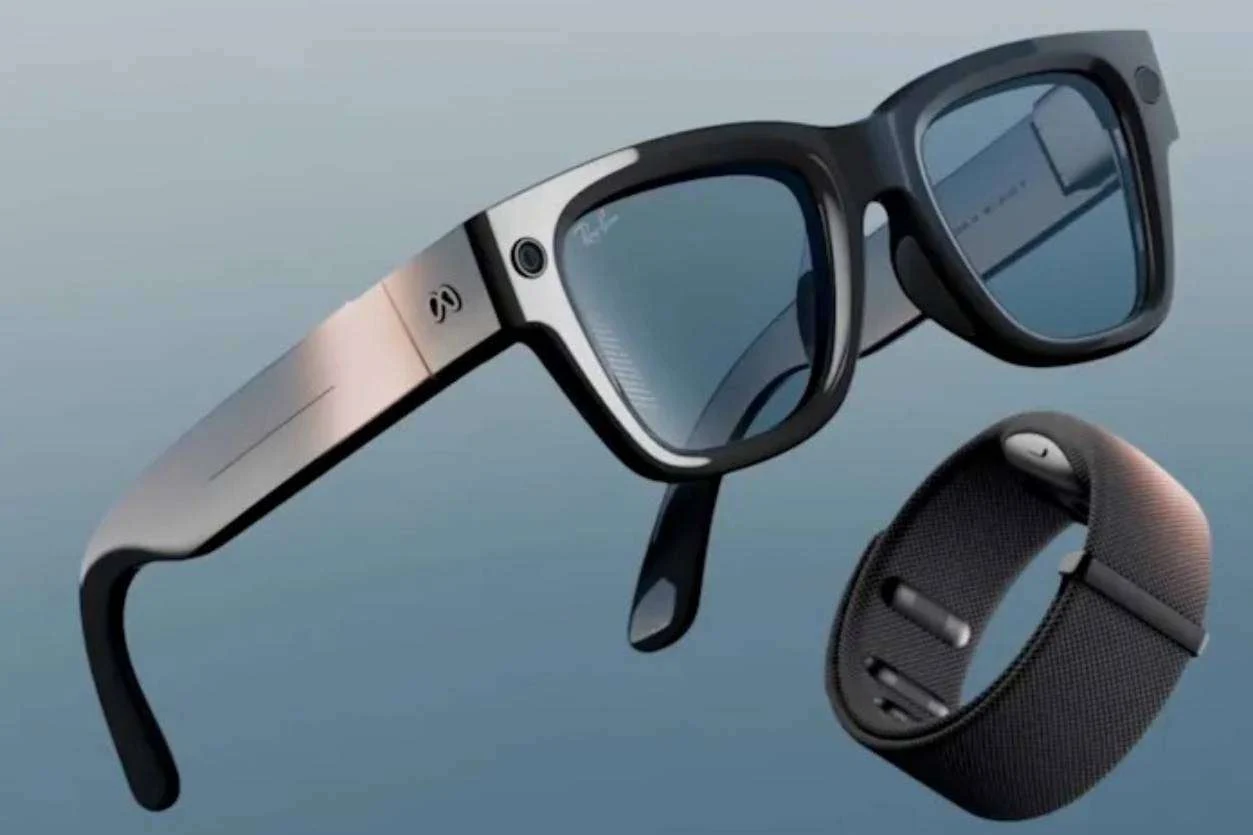
West Wood blvd – 21 May 2026 | In a decisive move that underscores growing concerns over wearable technology, Texas AG probes Meta glasses [titlebase] as part of a broader Meta glasses investigation aimed at safeguarding the privacy of Texans. Attorney General Ken Paxton announced Wednesday that his office is launching a formal inquiry into Meta’s new AI‑enabled smart glasses, citing potential violations of state privacy statutes and the risk of unauthorized data collection.
The devices, marketed under the Ray‑Ban Meta brand, integrate cameras, microphones, and AI processors that can continuously capture video and audio. According to the attorney general’s release, the glasses feature an “always enabled” mode that processes visual data around the clock for Meta AI services, while a small LED indicator is supposed to light up when recording. Critics argue the LED can be concealed and does not activate during the always‑on mode, raising doubts about the effectiveness of user notifications.

Paxton’s office also highlighted troubling reports from workers at Sama, a subcontractor based in Kenya that provides data‑annotation services for Meta. Employees allegedly accessed highly personal footage, including bathroom visits and other intimate moments, despite Meta’s privacy safeguards. One insider claimed that facial blur algorithms sometimes fail, allowing unblurred faces to be stored and potentially linked to individuals.
Adding to the controversy, the investigation references a forthcoming feature internally dubbed “Name Tag,” which would employ facial‑recognition technology to capture facial geometry from by‑standers. If implemented, the feature could enable Meta to build a massive database of facial identifiers, a prospect that raises significant civil‑rights questions.
Meta responded through a spokesperson, emphasizing that privacy and data protection are core to its products. The company noted that a tamper‑detection system disables capture if the LED indicator is covered and that users receive alerts to clear the obstruction before initiating active recording. “We are ready to address the questions Attorney General Paxton has raised,” the spokesperson said, adding that the agency’s claims stem from incomplete reporting.
![OpenAI Set to File Confidential IPO [titlebase] as Wall Street Awaits September Debut](https://westwoodblvd.com/wp-content/uploads/2026/05/openai-set-to-file-confidential-ipo-titlebase-as-wall-street-awaits-september-debut-300x169.webp)
The Texas AG’s investigation arrives on the heels of a $1.4 billion settlement Meta reached with the state over facial‑recognition practices on its social‑media platforms. Paxton reiterated his commitment to protect Texans, stating, “I will continue to relentlessly stand up to any company that threatens the privacy and safety of Texans.” The probe will examine whether the glasses violate Texas privacy laws, whether the LED indicator complies with state notification requirements, and how Meta’s data‑handling practices align with consumer‑protection standards.
Industry observers note that Meta is not the first tech giant to face scrutiny over smart eyewear. Google’s 2013 launch of Google Glass sparked similar debates, and the company is now re‑entering the market with AI‑enhanced glasses featuring Gemini AI capabilities. The renewed focus on privacy underscores a broader regulatory trend as lawmakers across the United States grapple with the implications of immersive technologies.
Key points of the investigation include:

- Whether the “always enabled” mode circumvents required user consent.
- Effectiveness of the LED indicator in alerting by‑standers.
- Compliance of data‑annotation practices with privacy statutes.
- Potential misuse of facial‑recognition data through the “Name Tag” feature.
As the Meta glasses investigation unfolds, stakeholders from civil‑rights groups to technology developers will be watching closely. The outcome could set precedent for how wearable AI devices are regulated, influencing design choices, data‑storage policies, and transparency measures nationwide.
In conclusion, the Texas AG’s probe into Meta’s AI glasses reflects mounting public anxiety about the balance between innovation and privacy. By scrutinizing the devices’ recording capabilities, data‑annotation processes, and planned facial‑recognition features, the investigation aims to ensure that emerging technologies respect the fundamental rights of individuals. The final determination will likely shape the future of smart eyewear not only in Texas but across the United States.