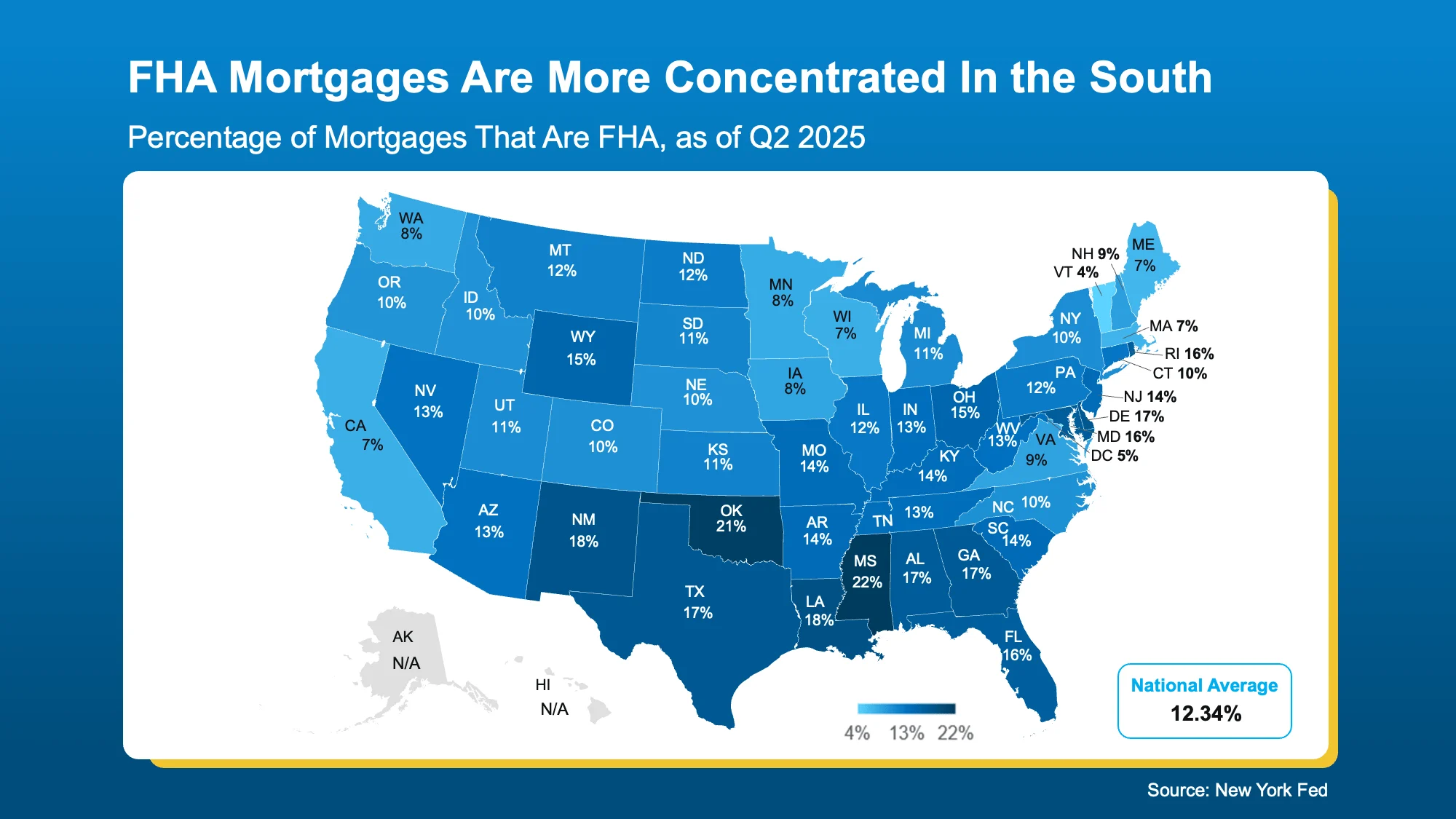
West Wood blvd – 14 May 2026 | fha loans have long been the backbone of affordable homeownership for first‑time buyers, seniors and investors seeking low‑down‑payment financing. Established in 1934, the Federal Housing Administration does not lend money directly but insures private‑lender mortgages, allowing banks to offer as little as 3.5% down, flexible credit requirements and competitive closing costs.
That historic model continues to attract diverse borrowers, but recent data reveal growing stress in the segment. The Intercontinental Exchange (ICE) Mortgage Monitor reported that, while the overall first‑lien delinquency rate fell to 3.35% in March 2026, serious delinquencies—loans 90 days or more past due—rose sharply. FHA‑backed mortgages now account for a record 55% of all seriously past‑due mortgages, up by 164,000 borrowers from a year earlier. Analysts attribute the increase to lingering economic fallout from natural disasters and tighter household cash flows, even as seasonal tax refunds temporarily eased early‑stage delinquencies.
Policy makers are responding with a mix of relief and new requirements. In May 2026, the Department of Housing and Urban Development (HUD) announced streamlined environmental review standards for multifamily projects financed through FHA’s Section 221(d)(4) loan program. By trimming outdated National Environmental Policy Act provisions, the agency aims to reduce development costs and accelerate the delivery of affordable housing, a move welcomed by the National Multifamily Housing Council and the Mortgage Bankers Association.
For seniors, the FHA also offers reverse mortgages, allowing homeowners aged 62 and older to convert equity into cash without monthly payments. However, the reverse‑mortgage market faces its own liquidity challenges. The Ginnie Mae HECM Mortgage‑Backed Securities (HMBS) program mandates a 98% buyout rule, forcing issuers to repurchase loans that approach the maximum claim amount. With the anticipated HMBS 2.0 program stalled, lenders are turning to private‑label securitizations to meet the buyout requirement, a strategy that increases exposure to shifts in investor appetite, according to Tim Wilkinson of Longbridge Financial.

Despite these pressures, the core advantages of fha loans remain compelling:
- Low down‑payment requirement (as little as 3.5%).
- Eligibility for multi‑unit properties, manufactured homes and mobile‑home parks.
- More forgiving credit standards, helping borrowers with past credit setbacks.
- Access to reverse‑mortgage options for seniors seeking cash flow.
Industry observers caution that the surge in serious delinquencies could prompt tighter underwriting standards or higher insurance premiums, potentially eroding some of the program’s accessibility. At the same time, HUD’s regulatory easing may boost the supply of FHA‑insured multifamily housing, helping to offset affordability pressures in the broader market.

Looking ahead, the interplay between borrower resilience, lender risk management and federal policy will determine whether fha loans can sustain their pivotal role. If delinquency trends stabilize and private‑label funding remains robust, the program could continue to serve as a vital bridge for millions of Americans seeking homeownership. Conversely, prolonged stress without corrective measures could force a reevaluation of the insurance framework that underpins the entire system.
Stakeholders from borrowers to developers are watching closely, as the next few quarters will likely shape the future trajectory of fha loans and the broader housing finance landscape.