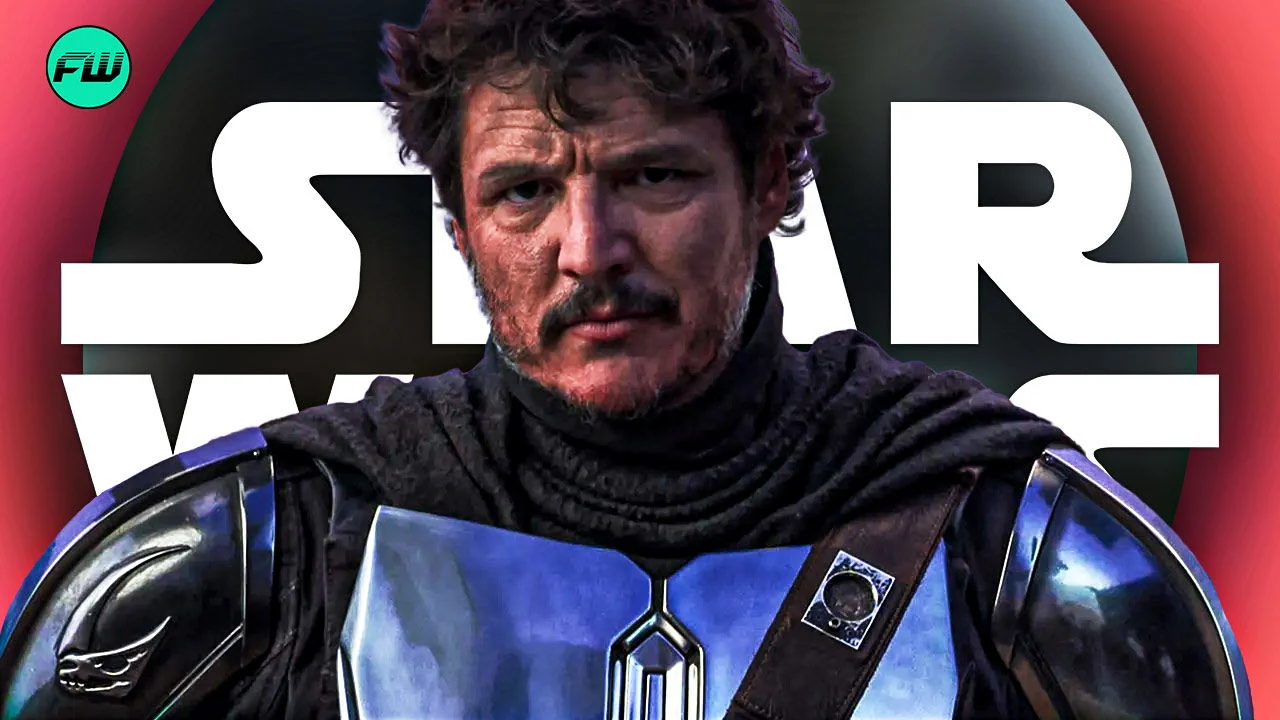
West Wood blvd – 14 May 2026 | Pedro Pascal is once again at the centre of worldwide headlines as he prepares to headline the highly anticipated Star Wars film “The Mandalorian and Grogu,” faces criticism over private‑jet travel to Cannes, and shares a playful kiss with Stephen Colbert on the final weeks of “The Late Show.” The Chilean‑born actor, best known for his roles in “The Last of Us” and the Disney+ series “The Mandalorian,” is now navigating a trifecta of media attention that blends blockbuster economics, climate activism, and late‑night television antics.
The upcoming Star Wars installment, slated for a May 22, 2026 theatrical release, marks the first time a Disney+ series has been expanded into a full‑length feature film. Directed by Jon Favreau and headlined by Pedro Pascal as the bounty hunter Din Djarin, the movie is projected to cost around $165 million. Industry analysts apply the standard 2.5‑times multiplier to estimate that the film must generate roughly $412.5 million worldwide to break even at the box office. Early projections suggest a strong domestic opening, with Box Office Pro forecasting $80‑$90 million in North America during its first weekend. If international markets respond favourably and the film enjoys sustained legs, it could comfortably surpass the break‑even point and deliver a profit for Disney.
![Legendary Frontman Dennis Locorriere Passes Away: Dr. Hook Singer Dies at 76 [titlebase]](https://westwoodblvd.com/wp-content/uploads/2026/05/legendary-frontman-dennis-locorriere-passes-away-dr-hook-singer-dies-at-76-titlebase-300x300.webp)
Box office expectations can be summarised as follows:
- Production budget: $165 million
- Estimated break‑even threshold (2.5× multiplier): $412.5 million
- Projected opening weekend (North America): $80‑$90 million
- Key international markets: Europe, Asia‑Pacific, and Latin America
Beyond the numbers, Pedro Pascal’s involvement has become a cultural touchstone. Climate activists at the 79th Cannes Film Festival used his name to illustrate a broader point about celebrity travel habits. A recent report from the environmental group Transport and Environment highlighted that 750 private‑jet flights carried A‑list guests to Cannes last year, consuming two million litres of kerosene—an amount comparable to the fuel needed for 14,000 passengers on a Paris‑Athens route. Former private‑jet pilot Katie Thompson specifically cited Pedro Pascal’s decision to travel in economy class as a model for other stars, stating, “Last year Pedro Pascal flew to Cannes in an economy seat. There’s no reason the rest of them can’t do the same, or take the train where possible.” The activists are lobbying European governments to tighten regulations on private‑jet emissions, arguing that the current EU exemptions for such flights undermine climate goals.
While the Cannes controversy underscores the growing scrutiny of celebrity carbon footprints, Pascal’s on‑screen presence continues to generate buzz. On May 12, during the penultimate week of “The Late Show,” host Stephen Colbert invited the actor as a guest. The segment quickly turned into a light‑hearted spectacle when Colbert, known for his playful on‑air antics, kissed Pascal on the lips, prompting laughter from the studio audience. The kiss followed a similar on‑air smooch with Julia Louis‑Dreyfus the night before and echoed a series of affectionate gestures Colbert has shared with other guests, including Jimmy Fallon and Sally Field. Pascal responded in good humour, joking, “I got jealous!” and raising a toast with tequila, which he was allowed to sip on camera after confirming with the host.
Commentators note that the kiss, while seemingly frivolous, reflects a broader trend in late‑night television toward more interactive and unpredictable moments that boost viewer engagement. The segment also served as a promotional boost for Pascal’s upcoming film, reminding audiences of his dual identity as a serious action star and a charismatic personality capable of light‑hearted banter.
Industry observers see the convergence of these storylines as indicative of the modern celebrity ecosystem, where an actor’s box‑office draw, environmental responsibility, and media persona are increasingly intertwined. For Pedro Pascal, the upcoming Star Wars film offers a platform to cement his status as a leading franchise figure, while the Cannes jet debate places him at the forefront of a sustainability conversation that could influence future travel policies for high‑profile events. Meanwhile, his spontaneous kiss with Colbert adds a humanising, relatable dimension that resonates with fans across social media platforms.
In summary, Pedro Pascal stands at a unique crossroads where blockbuster economics, climate activism, and pop‑culture moments intersect. As the release date for “The Mandalorian and Grogu” approaches, the actor’s performance will be scrutinised not only for its artistic merit but also for its financial success. Simultaneously, his travel choices may inspire other celebrities to reconsider the environmental impact of their journeys, and his willingness to engage in playful television moments reinforces his broad appeal. The coming months will reveal how these diverse narratives shape Pascal’s legacy in both the entertainment industry and the public eye.