
West Wood blvd – 13 May 2026 | Veteran Hollywood commentator rex reed passed away on May 12, 2026, at his Manhattan apartment after a brief illness, according to his publicist and longtime friend William Kapfer. The 87‑year‑old critic, whose nasally drawl and impeccably tailored wardrobe made him a fixture on New York streets, died in his sleep, ending a six‑decade career that reshaped celebrity interviews and film criticism.
Born in Fort Worth, Texas, on October 2, 1938, Reed grew up watching movies with his mother’s bridge club, where he first honed his habit of delivering reviews aloud. He earned a journalism degree from Louisiana State University, wrote for the campus Daily Reveille, and covered early film productions in Baton Rouge. His early immersion in the industry gave him a front‑row seat to stars such as Angela Lansbury, Paul Newman and Orson Welles, friendships that would later inform his sharp, sometimes confrontational, prose.
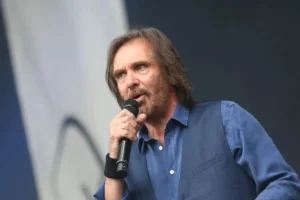
Reed’s writing style was unmistakable: concise, witty, and unapologetically contrarian. He earned a reputation for slashing contemporary darlings while championing classic cinema, a pattern he explained in a 2018 New York Times interview: “I like just as many films as I dislike, but we’re drowning in mediocrity.” His columns for the New York Daily News, the New York Post, and later the New York Observer cemented his status as a cultural provocateur. In 2024 he reviewed the documentary *Truth & Treason*, marking his final published critique before his health began to decline.
Beyond print, Reed ventured into television, most famously as a judge on the 1970s variety hit *The Gong Show*, where his blunt feedback became a hallmark of the program’s chaotic charm. He also appeared on screen in the 1970 film *Myra Breckinridge*, portraying a character who undergoes a surreal sex‑change dream sequence, a role he famously panned in his own review, underscoring his willingness to separate personal involvement from professional judgment.
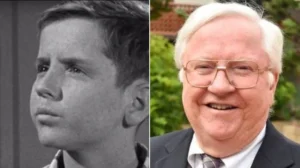
Friends and colleagues describe Reed as a paradoxical blend of curmudgeon and confidant. An editor at the Observer recalled his meticulous attention to detail—down to the distinction between hot fudge and chocolate sauce at Sardi’s—and his habit of ordering the same Cobb salad without blue cheese at every lunch. Despite his often acerbic public persona, those close to him noted a deep generosity of attention: he remembered personal details about friends and their families, a trait that endeared him to many in the industry.
The reaction to his death has been swift and varied. Fellow critics praised his “b‑y integrity” and his ability to “raise the level of consciousness” in a media landscape they claim is saturated with mediocrity. Actors he once critiqued, including Paul Newman’s widow and former co‑stars, issued statements acknowledging his influence, however polarizing. Social media tributes highlighted his role in shaping the modern celebrity interview, a format that now blends humor, provocation, and cultural commentary.
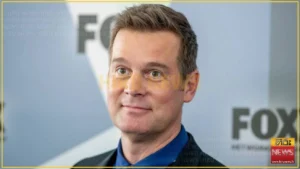
Reed’s impact extends beyond his published words. He helped define a generation of “New Journalism” that blended personal voice with reportage, influencing writers from Tom Wolfe to contemporary digital commentators. His willingness to confront Hollywood’s self‑congratulation, paired with a distinctive sartorial flair—silk scarves, crisp suits, and a signature fedora—made him a recognizable figure on the city’s streets and a symbol of an era when critics could be both pundits and personalities.
As the film community reflects on his passing, the consensus is clear: rex reed left an indelible imprint on entertainment journalism. His relentless pursuit of honesty, his flair for the theatrical, and his steadfast belief that audiences deserve better than bland consensus will continue to inspire future critics. While his style may have divided readers, his dedication to the craft ensured that cinema remained a subject of serious, spirited debate.