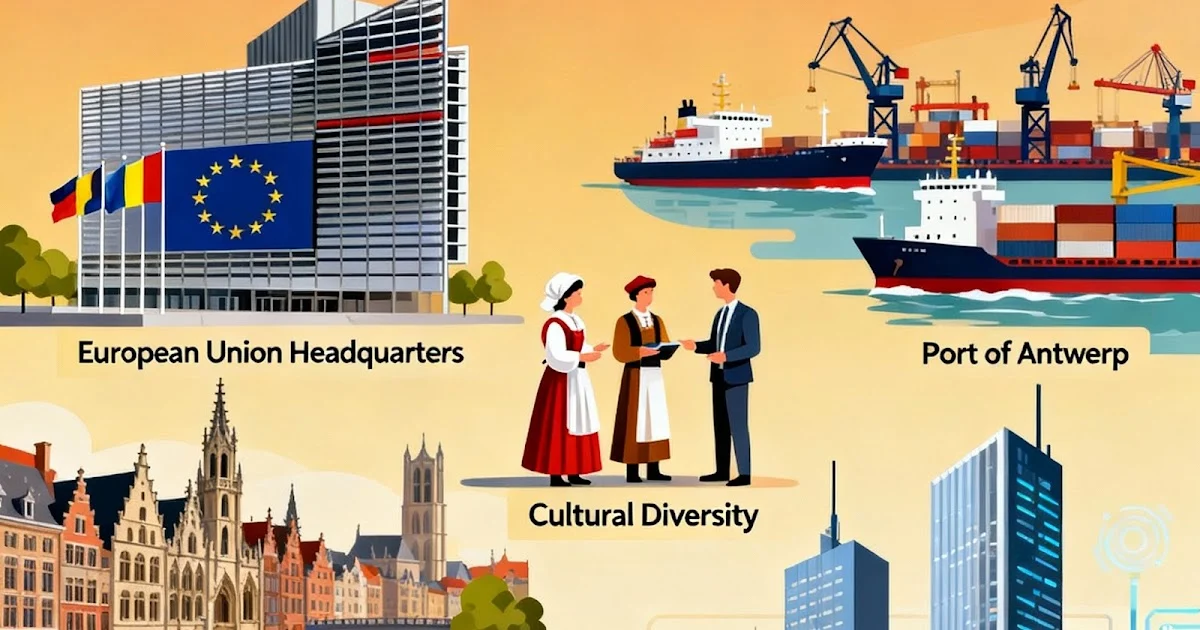
West Wood blvd – 13 May 2026 | Europe stands at a pivotal moment in 2026, juggling the aftermath of the Ukraine conflict, vibrant cultural showcases and personal narratives that together illustrate the continent’s evolving identity. While EU leaders debate the terms of lifting sanctions on Russia and envision a new security architecture, everyday Europeans celebrate milestones that echo history and hope.
The European Union is quietly exploring a direct negotiating channel with Moscow, a move prompted by Kremlin statements that the war in Ukraine is “coming to an end.” Yet member states remain divided: Italy and Austria urge proactive engagement, whereas Sweden and the Baltic nations warn of premature concessions. The proposal, championed by European Council President António Costa, even floated former German chancellor Gerhard Schröder as a possible interlocutor, a suggestion quickly dismissed due to his ties to Russian energy firms. Meanwhile, President Vladimir Putin’s approval rating has slipped to 65.6 % according to VTsIOM, and Russia’s economy contracted 1.8 % in the first two months of the year, adding pressure to any future dialogue.
![China Pulls Export Licenses [titlebase]: Trade Tensions Escalate as Washington Tightens Chip Controls](https://westwoodblvd.com/wp-content/uploads/2026/05/china-pulls-export-licenses-titlebase-trade-tensions-escalate-as-washington-tightens-chip-controls-300x157.webp)
Beyond high‑level diplomacy, Europe’s cultural pulse beats loudly in Vienna, where the 70th Eurovision Song Contest unfolded amid heightened security and political tension. Ten acts, including Israel’s Noam Bettan and Finland’s crowd‑pleasing “Liekinheitin,” secured spots in the final, while five countries—Spain, Ireland, the Netherlands, Slovenia and Iceland—boycotted in protest of Israel’s participation. The event, billed as “United by Music,” highlighted Europe’s capacity to host pan‑continental celebrations even as geopolitical disputes linger.
Historical memory also remains vivid on the continent. In Lakeland, Florida, veteran Stanley O’Dell marked his 100th birthday on St. Patrick’s Day, a reminder of the generation that fought in World War II. O’Dell, who served at Tulln Air Base in Austria at age 20, reflects on a childhood of hardship on a dairy farm and a family tragedy that shaped his resolve. His story, though American‑based, resonates across Europe, where the surviving veterans of the 1940s are rapidly disappearing, taking with them firsthand accounts of a war that reshaped borders and societies.
Religion continues to inspire European consciousness. The Miracle of Fatima, a series of apparitions in Portugal during 1917, remains a touchstone for Catholic believers. The three shepherd children—Lucia, Jacinta and Francisco—received messages urging prayer, repentance and a vision of hell, culminating in a promised miracle on July 13. The legacy of Fatima endures in pilgrimages and annual commemorations, underscoring how spiritual experiences intertwine with Europe’s turbulent history.
Personal drama also reflects the continent’s interconnectedness. Former “Nashville” actress Hayden Panettiere opened up about her painful custody battle with ex‑partner Wladimir Klitschko, a former heavyweight champion who relocated to Ukraine after their split. Panettiere’s decision to place her daughter Kaya in the care of Klitschko and move to Ukraine illustrates how personal choices can be entangled with broader geopolitical narratives, especially as the country remains a frontline in Europe’s security calculations.
Key developments shaping Europe this year include:
- EU foreign ministers’ split over direct talks with Russia, reflecting divergent security priorities.
- Continued military pressure on Ukrainian front lines, with Russia holding roughly 20 % of Ukrainian territory.
- Eurovision’s blend of music, politics and security concerns, exemplifying Europe’s cultural diplomacy.
- Commemorations of World War II veterans, reminding citizens of the continent’s resilience.
- Renewed interest in historic religious sites such as Fatima, reinforcing cultural heritage.
As Europe navigates these complex layers—strategic negotiations, artistic expression, historical remembrance and individual stories—the continent’s future will be defined by how it balances security imperatives with the desire for unity and cultural vibrancy. The decisions made today will echo through the coming decades, shaping a Europe that honors its past while forging a collaborative, resilient path forward.