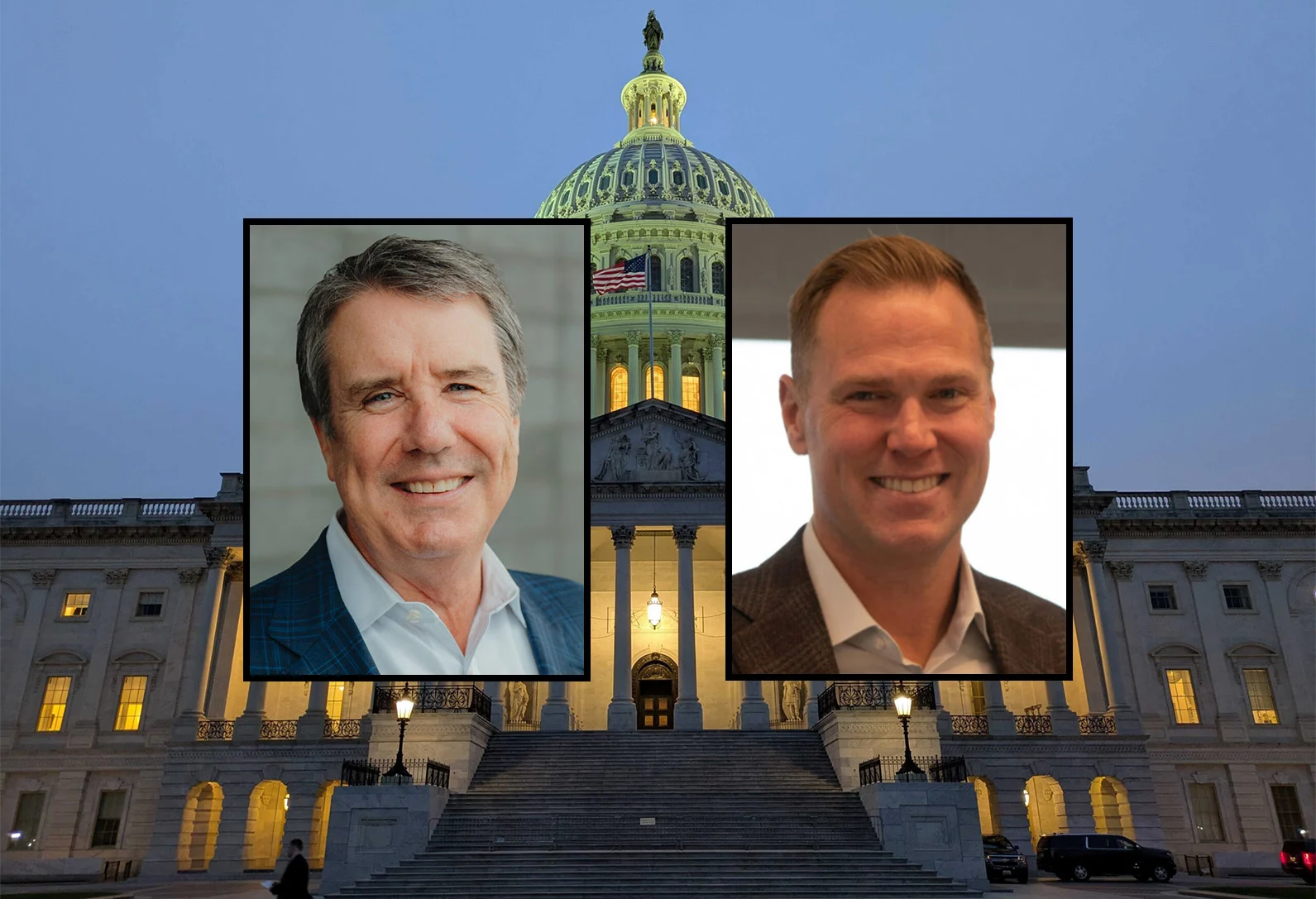
West Wood blvd – 14 May 2026 | The recent Nebraska primary elections have delivered a dramatic reshaping of the state’s congressional landscape, with tight contests in both the Democratic and Republican contests across the two House districts. In a nail‑biting finish, Denise Powell emerged victorious in the 2nd Congressional District Democratic primary, narrowly defeating State Senator John Cavanaugh, while Brinker Harding ran unopposed to claim the Republican nomination for the same district. Meanwhile, the 1st Congressional District saw a decisive Republican win for C. Backemeyer over Democrat Eric Moyer.
Voter turnout was robust, with the Associated Press reporting that over 90 percent of precincts had reported results by the afternoon. The Nebraska primary elections highlighted the competitive nature of the state’s political battleground, especially in the 2nd District, which the Cook Political Report had previously rated as “Lean Democratic” heading into the general election.

Key Results by District
| District | Party | Candidate | Votes | Percent |
|---|---|---|---|---|
| 2nd | Democratic | Denise Powell | 20,033 | 38.9% |
| John Cavanaugh | 18,953 | 36.8% | ||
| Crystal Rhoades | 7,153 | 13.9% | ||
| 2nd | Republican | Brinker Harding | Uncontested | 100% |
| 1st | Republican | C. Backemeyer | 24,753 | 57.5% |
| E. Moyer | 18,316 | 42.5% |
In District 2, the Democratic primary was especially close. Powell secured 38.9 percent of the vote, edging out Cavanaugh by a margin of just over 1,000 votes. The race remained too close to call until the final county reports from Douglas, Sarpy, and Saunders counties pushed Powell over the threshold. Crystal Rhoades, who garnered 13.9 percent, played a spoiler role that kept the contest competitive until the end.
Republican voters in the same district faced a single candidate, Brinker Harding, who was declared the winner after the primary deadline passed without any challengers filing. Harding’s unopposed status underscores the GOP’s confidence in retaining the seat, despite the district’s recent Democratic lean.
District 1 presented a different picture. The Republican primary saw C. Backemeyer defeat Democrat Eric Moyer by a solid 15-point margin, capturing 57.5 percent of the vote. Backemeyer’s victory was propelled by strong performances in Lancaster and Sarpy counties, where he posted double‑digit leads. Moyer, while trailing, managed to secure a respectable 42.5 percent, indicating a competitive environment that could influence the upcoming general election.

County‑by‑county breakdowns revealed that in Douglas County, Powell led by 1.3 points with 91 percent of precincts reporting, while in Sarpy County her lead expanded to 13 points. Saunders County also favored Powell with an 8‑point margin. These regional trends suggest that urban and suburban areas around Omaha are increasingly leaning Democratic, a shift that could have lasting implications for future statewide races.
The Nebraska primary elections also highlighted the role of early voting and absentee ballots, which accounted for a significant portion of the total vote count. Election officials estimate that about 4,800 votes remain uncounted across the state, but the projected outcomes are unlikely to change given the current margins.
Political analysts note that the outcomes of these primaries set the stage for a contentious November showdown. Denise Powell, a newcomer to the congressional race, has positioned herself as a progressive alternative to the more established Cavanaugh, promising to focus on healthcare, education, and rural development. Brinker Harding, on the other hand, will likely emphasize fiscal conservatism and agricultural policy to appeal to the district’s traditional Republican base.
As the campaign season moves forward, both parties are expected to pour resources into Nebraska, recognizing its potential as a swing state in the 2026 midterms. The close margins in the 2nd District, combined with the solid Republican hold in the 1st District, make Nebraska a microcosm of the broader national political dynamics.
In conclusion, the Nebraska primary elections have produced clear victors while also underscoring the competitive nature of the state’s political landscape. Denise Powell’s narrow win over John Cavanaugh signals a possible shift in Democratic voter preferences, while Brinker Harding’s unchallenged path to the GOP nomination reaffirms the party’s strength in the 2nd District. All eyes will now turn to the upcoming general election, where these candidates will test their appeal across the broader electorate.