![Supreme Court Rejects Pharma Appeals [titlebase] – Medicare Negotiations Stay on Track](https://westwoodblvd.com/wp-content/uploads/2026/05/supreme-court-rejects-pharma-appeals-titlebase-medicare-negotiations-stay-on-track.webp)
West Wood blvd – 18 May 2026 | In a decisive move that will shape the future of prescription drug pricing, the Supreme Court Rejects pharma appeals [titlebase] and leaves the Medicare drug price negotiation program untouched. The high court declined to hear challenges brought by several of the nation’s largest drugmakers, including AstraZeneca, Boehringer Ingelheim, Bristol Myers Squibb, Janssen, Novartis, and Novo Nordisk. By refusing to intervene, the justices effectively uphold lower‑court rulings that have already validated the program enacted under the 2022 Inflation Reduction Act.
The contested program empowers Medicare to negotiate directly with pharmaceutical companies on the prices of high‑cost medicines. Proponents argue it will save billions of dollars for both the federal government and seniors who rely on these drugs. Critics, led by the pharmaceutical industry, claim the negotiations amount to a form of government price‑fixing and violate constitutional protections, including due‑process and First Amendment rights.
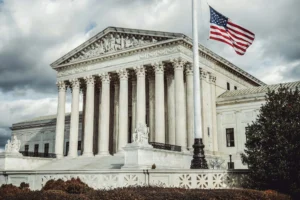
Legal scholars note that the Supreme Court’s refusal to grant certiorari does not constitute a substantive endorsement of the program; rather, it signals that the court sees no compelling reason to overturn the consistent rulings of lower courts. Those lower courts have repeatedly emphasized that participation in the Medicare negotiation process is voluntary. Companies that refuse the terms can withdraw their products from Medicare and Medicaid, a step that would effectively remove them from a market that accounts for roughly half of U.S. prescription‑drug sales.
During the litigation, drugmakers argued that the negotiations constituted a “sham” because the only realistic alternative to a negotiated price is to exit the federal health programs entirely. They also asserted that the Fifth Amendment’s takings clause should apply, claiming that the government was forcing them to relinquish property without just compensation. Courts have rejected these arguments, noting that the companies retain the freedom to pull their products if they find the terms unacceptable.
The first round of negotiations, which began in January 2024, covered ten drugs and is projected to save the government about $6 billion while reducing out‑of‑pocket costs for seniors by roughly $1.5 billion. Notable drugs in this initial batch include AstraZeneca’s Farxiga, a treatment for diabetes, heart disease, and kidney disease, and Bristol Myers Squibb’s Eliquis, a blood‑thinner used to prevent strokes and clots. AstraZeneca reported a 68 percent discount off the drug’s list price as a result of the negotiation.
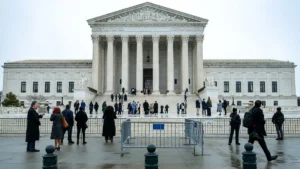
A second round, finalized in late 2025, added fifteen more medicines and is expected to generate $12 billion in savings for Medicare and cut seniors’ out‑of‑pocket expenses by $685 million. The third round is currently under way, with the list of eligible drugs drawn from the highest‑spending Medicare categories.
Industry groups continue to fight the program in courts across the country, but the Supreme Court’s latest action—once again Rejects pharma appeals [titlebase]—reinforces the momentum of the administration’s cost‑containment strategy. The decision also sends a clear message to other litigants that the judiciary is unlikely to entertain challenges that have already been dismissed at the district and appellate levels.
Beyond the immediate financial impact, the ruling carries broader implications for health‑care policy. By preserving the negotiation mechanism, the government can leverage its purchasing power to bring down drug prices, a move that may influence future legislation on health‑care reform and pharmaceutical regulation. Moreover, the decision may encourage other nations to consider similar negotiation frameworks, given the United States’ role as a benchmark for global health policy.
Critics, however, warn that the program could discourage pharmaceutical innovation. They argue that reduced revenues may limit the resources available for research and development of new therapies. Yet supporters counter that the savings generated can be redirected toward broader health‑care initiatives, potentially expanding access to care for millions of Americans.
In summary, the Supreme Court’s refusal to hear the cases—effectively Rejects pharma appeals [titlebase]—maintains the status quo of the Medicare drug price negotiation program. The decision preserves billions in projected savings, safeguards reduced out‑of‑pocket costs for seniors, and underscores the judiciary’s deference to the legislative and executive branches on complex health‑policy matters. As the next round of negotiations unfolds, the nation will watch closely to see how the balance between cost containment and pharmaceutical innovation evolves.
Ultimately, the Supreme Court’s action reinforces the administration’s commitment to making prescription drugs more affordable while signaling that future legal challenges to the program will face an uphill battle.