West Wood blvd – 13 Mei 2026 | In a dramatic episode of southwest airlines news, a Southwest Airlines Boeing 737 was forced to make an emergency landing on Monday after a cockpit windshield developed a sudden crack while cruising at 31,000 feet. The flight, operating as Southwest Flight 2665, had taken off from Albuquerque International Sunport at 2 p.m. local time bound for Baltimore/Washington International Thurgood Marshall Airport when the crew detected the damage.
The incident quickly became a focal point of southwest airlines news across the nation, as the Federal Aviation Administration (FAA) confirmed that the aircraft diverted to Tulsa International Airport in Oklahoma, touching down safely at approximately 4:20 p.m. local time. No injuries were reported among the 130 passengers and crew members on board.
According to the airline’s spokesperson, the flight crew acted with professionalism and adhered to established emergency procedures. “Nothing is more important to Southwest than the safety of our customers and employees,” the statement read. The pilots announced the situation, instructed passengers to remain seated, and prepared the cabin for an unexpected landing, exemplifying the type of response that defines a Southwest emergency landing scenario.
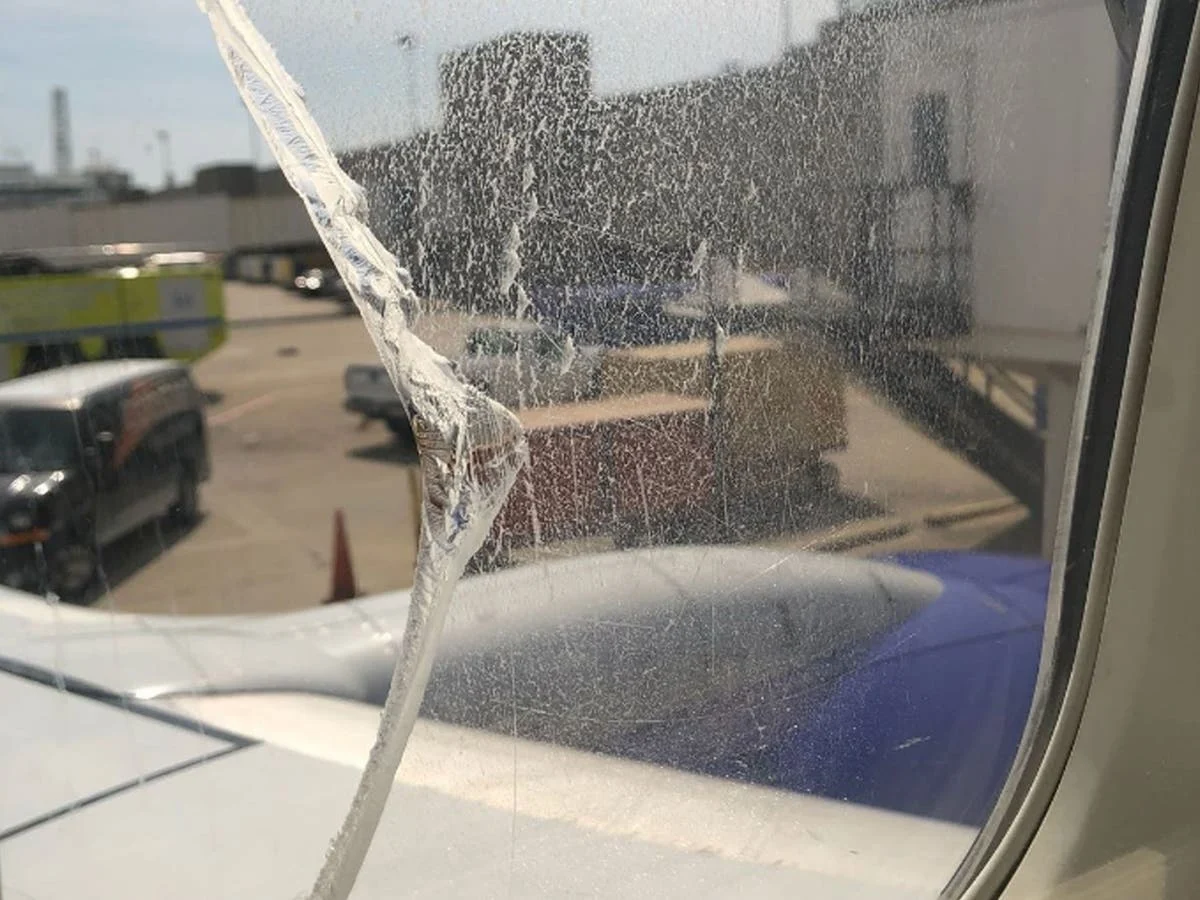
Passengers described a mixture of anxiety and relief. George Gonzales, a traveler on the flight, recounted that the windshield began to crack without any external impact and that a fragment seemed to “explode” before the crew initiated the diversion. He later shared a photo of the damaged glass with a local Albuquerque television station, noting the professionalism of the pilots in guiding the plane safely to the ground.
The windshield on a Boeing 737 consists of multiple layers of tempered glass and advanced polymer materials designed to withstand high‑altitude pressure differentials. While the exact cause of the crack remains under investigation, possibilities include a manufacturing defect, a sudden temperature shift, or an undetected impact from airborne debris. The FAA has opened a formal investigation and will examine maintenance records, flight data, and any debris recovered from the aircraft.

Following the safe touchdown, Southwest Airlines re‑booked all affected passengers on alternate flights to Baltimore, providing vouchers and accommodations where needed. The airline also offered complimentary meals and communicated regularly through its mobile app and customer service lines, aiming to mitigate inconvenience and preserve confidence among its customer base.
This incident adds to a growing list of recent windshield‑related events in commercial aviation, prompting industry experts to revisit inspection intervals and material testing standards. While such occurrences are rare, they underscore the importance of rigorous maintenance regimes and the value of crew training in handling structural anomalies mid‑flight.
For travelers monitoring southwest airlines news, the episode serves as a reminder that safety protocols are continuously evaluated and that airlines remain committed to rapid response measures. The FAA’s ongoing investigation will likely result in recommendations that could influence future aircraft design and maintenance practices, ultimately strengthening the safety net for all passengers.

In conclusion, the Southwest emergency landing demonstrated the effectiveness of crew training, the resilience of modern aircraft engineering, and the airline’s dedication to passenger safety. As the investigation proceeds, southwest airlines news will continue to follow any findings that may shape industry standards and reassure the traveling public.