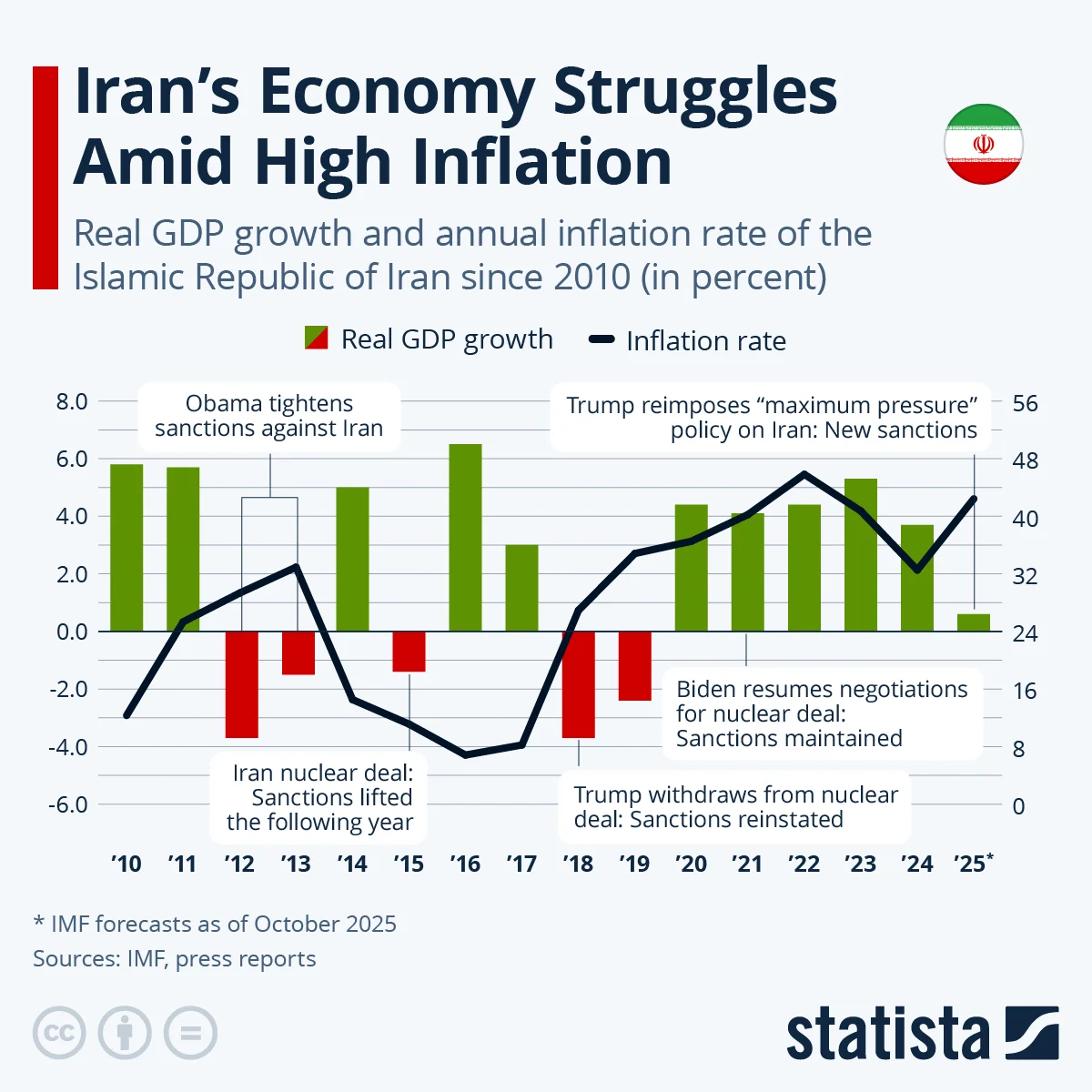
West Wood blvd – 13 May 2026 | The latest cpi data released by the U.S. Labor Department revealed a 3.8% year‑over‑year rise in consumer prices for April, the sharpest increase in almost three years. The surge was propelled by soaring energy costs, a steep jump in gasoline prices, and geopolitical tension stemming from the war in Iran that has disrupted oil flows through the Strait of Hormuz.
April’s headline CPI climbed 0.6% from March, matching analysts’ expectations, but the annual pace exceeded the consensus of 3.7%. Core CPI – which excludes volatile food and energy components – rose 0.4% month‑over‑month, also outpacing the 0.3% forecast. The data underscores a reversal of the modest disinflation trend that had been observed since mid‑2022, when inflation peaked at 9.1% amid pandemic‑related supply bottlenecks and the fallout from Russia’s invasion of Ukraine.
Energy prices were the primary driver of the headline gain. The energy index surged 7.1% in April alone and is up 24% on a 12‑month basis. Gasoline prices jumped an eye‑watering 28.4% year‑over‑year, lifting the national average to about $4.50 per gallon – a rise of more than $1.50 since the conflict began. Overall energy costs accounted for roughly 40% of the total inflation increase, according to the Bureau of Labor Statistics.
Food prices also added pressure, climbing 0.5% in the month and 3.2% over the year. The food‑at‑home index rose 1.5% in April, with notable increases in processed seafood, bread, and fresh fruit categories. Food‑away‑from‑home prices grew 0.3%.
Other notable contributors included shelter, which rose 0.8% month‑over‑month, driven by higher owners’ equivalent rent and primary residence rents. Medical care costs increased 0.6%, while airline fares surged 2.8%.
Regional data from the New York‑Newark‑Jersey City metropolitan area echoed the national trend. The local CPI‑U advanced 1% in April, with energy up 7.1% and food up 1% for the month. Over the past year, the area’s all‑items index rose 4.6%, core index 3.3%, energy index 24%, and food index 4.9%.
Analysts warn that the inflationary spike could reshape the Federal Reserve’s policy outlook. With the labor market remaining resilient and wage growth lagging behind price gains, many expect the Fed to keep interest rates elevated for longer, delaying any rate cuts until at least 2027. Futures markets now price a better‑than‑even chance of a March 2027 rate hike, though some view the situation as a temporary shock that could subside once oil supplies normalize.
Investors and financial advisors are closely monitoring the implications. Higher inflation erodes real household incomes, as reflected by a 0.5% monthly decline in real average hourly wages. The added $28 billion in gasoline expenditures since early March – of which $22 billion is directly linked to the Iran war – highlights the strain on consumers.

Key takeaways from the April release:
- Headline CPI: +0.6% MoM, +3.8% YoY
- Core CPI: +0.4% MoM, +2.8% YoY
- Energy index: +7.1% MoM, +24% YoY
- Gasoline: +28.4% YoY
- Food index: +0.5% MoM, +3.2% YoY
- Shelter: +0.8% MoM
The convergence of geopolitical risk, elevated energy prices, and persistent demand in the labor market suggests that inflationary pressures may remain elevated in the near term. Policymakers will need to balance the risk of further rate hikes against the potential for a cooling of energy markets later in the year.
In conclusion, the April cpi data paints a picture of an economy grappling with external shocks and domestic price pressures. While the Fed may pause any immediate easing, the path forward will hinge on how quickly energy markets stabilize and whether wage growth can keep pace with rising costs.