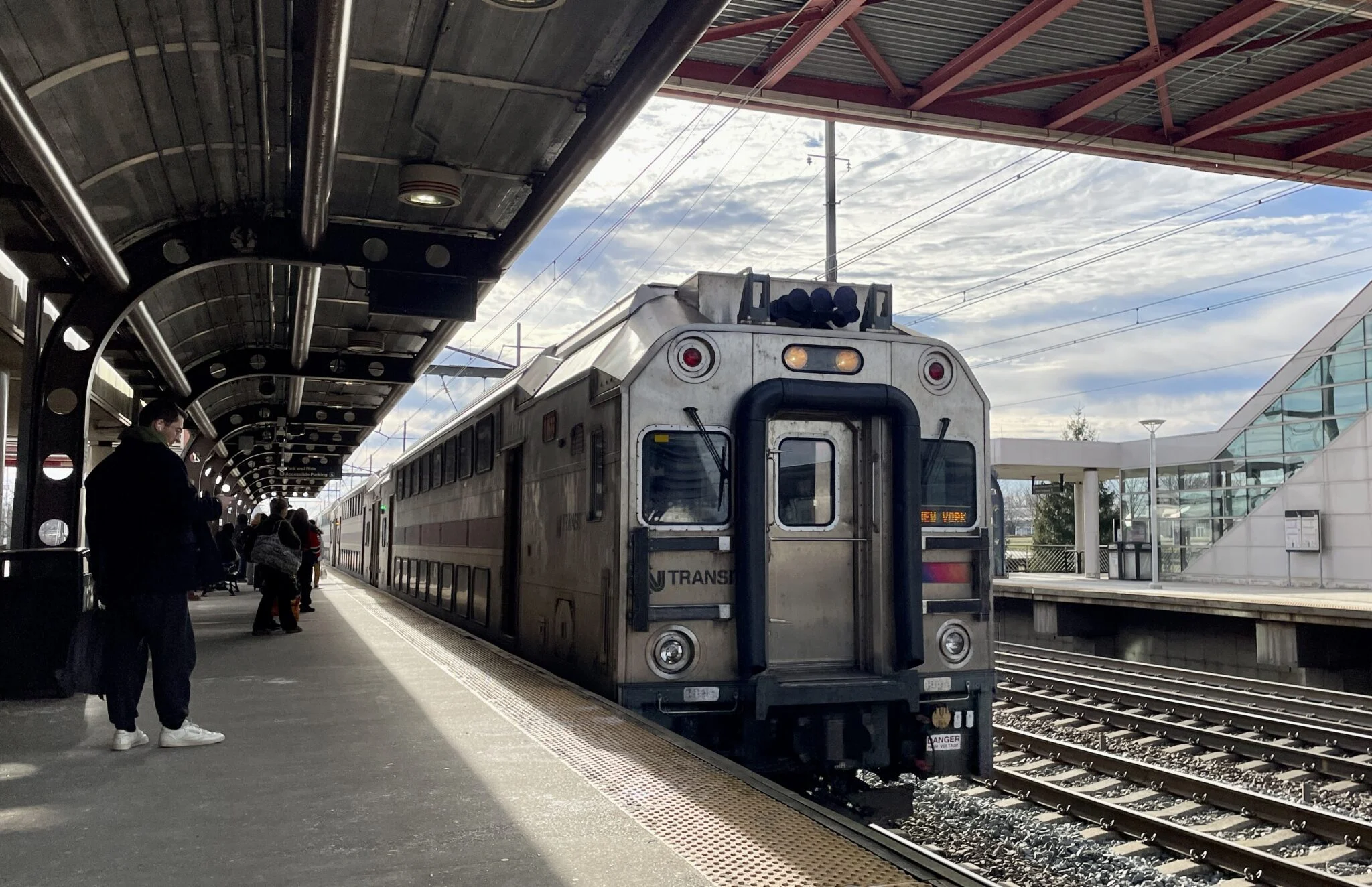
West Wood blvd – 14 May 2026 | As the 2026 FIFA World Cup approaches, nj transit has become a focal point for both travelers and policymakers, offering dramatically reduced fares while grappling with a massive tunnel project and recent safety incidents. Governor Mikie Sherrill announced that round‑trip tickets on nj transit will cost $98, a steep cut from the earlier $150 proposal and even lower than the typical $12.90 price for the 18‑mile journey. The move, she said, was funded without New Jersey taxpayer money, thanks to corporate partners such as DoorDash, Audible, FanDuel, DraftKings, PSE&G, South Jersey Industries, and American Water.
The fare reduction is part of a broader strategy to make the World Cup accessible to the New York‑New Jersey market, which the New York‑New Jersey Host Committee estimates will supply roughly 30 % of ticket holders. An additional 20 % are expected from other parts of the United States, while the remaining 50 % will travel from abroad. New York Governor Kathy Hochul complemented the effort by slashing Manhattan‑to‑stadium bus tickets from $80 to $20, reserving 20 % of those seats for New Yorkers.
While price cuts aim to boost attendance, nj transit faces a parallel challenge: the Gateway Program, a $16 billion infrastructure undertaking that will bore a new rail tunnel beneath the Hudson River. The project, overseen by the bi‑state Gateway Development Commission, employs tunnel‑boring machines the length of two football fields, each equipped with diamond‑hard cutters capable of grinding through volcanic rock at a rate of about 30 feet per day. James Starace, chief of program delivery, described the operation as a “fully automated, underground factory.” When completed, the two‑track tunnel—approximately 2.5 miles long—will alleviate a chronic bottleneck on the nation’s busiest passenger rail corridor and replace the aging, salt‑damaged North River Tunnel.
Despite the optimism surrounding the tunnel, nj transit has encountered safety setbacks. On a Wednesday morning, a North Jersey Coast Line train struck a trespasser at Red Bank station, resulting in a fatality. Service between Long Branch and Matawan was suspended, and substitute bus service was deployed. No crew members or the 55 passengers aboard were injured, but the incident underscored lingering concerns about track security and crowd management, especially as the World Cup draws massive crowds to MetLife Stadium.
Operational costs also factor heavily into fare decisions. NJ Transit President and CEO Kris Kolluri explained that transporting roughly 40 000 riders per match would cost the agency about $6 million per game, covering labor, security, and extensive maintenance of 50 railcars, including new wheels, axles, and air‑conditioning units. Dividing those expenses by the projected ridership yields a $150 fare, a figure that initially sparked public outcry. The subsequent reductions to $105 and finally $98 were made possible through donations from unnamed corporate sponsors, a strategy that avoided shifting the burden onto taxpayers.
![Trump's Arch Plan Approved [titlebase] Ignites Fierce Debate Over Washington's Skyline](https://westwoodblvd.com/wp-content/uploads/2026/05/trumps-arch-plan-approved-titlebase-ignites-fierce-debate-over-washingtons-skyline-300x169.webp)
Beyond the World Cup, the Gateway tunnel promises long‑term benefits for commuters and regional commerce. Once operational, the tunnel will enable more frequent service between New York and New Jersey, reduce travel times, and provide redundancy in case of future disruptions like those caused by Superstorm Sandy. The project also represents a rare example of large‑scale public‑private collaboration in U.S. infrastructure, although critics note that the cost overruns and delayed schedule have raised questions about efficiency.
Key takeaways from the current landscape include:
- Fare reduction to $98 for round‑trip nj transit travel to World Cup venues.
- New York bus tickets cut to $20, with a portion reserved for local residents.
- Gateway tunnel construction progressing, targeting a 2035 completion.
- Recent safety incident at Red Bank station prompting service suspensions.
- Ongoing financial pressures driving fare adjustments and reliance on corporate sponsorship.
As the tournament draws near, the interplay between affordable transportation, infrastructure modernization, and safety will shape the experience for millions of fans. nj transit’s ability to balance these priorities could set a precedent for future large‑scale events across the United States, illustrating how public agencies can adapt quickly while investing in long‑term solutions.
In conclusion, the dual narrative of fare cuts and a monumental tunnel project reflects both immediate needs and future ambitions for the region’s transit network. While the lowered prices aim to democratize access to the World Cup, the Gateway tunnel stands as a testament to the enduring challenges of modernizing aging infrastructure. Stakeholders—from governors to corporate partners—must continue to collaborate to ensure that the promises of affordability, safety, and reliability become a lasting reality for commuters and visitors alike.